Words & ideas
A new perspective starts with you.Loading page…
Loading page…
Youth Eco Summit · The competitions
Writing. Art. Film. Performance. Innovation.
Explore the 2027 topics for your class.
Your perspective. Your medium. Your work.
There is more than one way
Start with something you care about. Find a way to show what you think.
These are ways to express an idea. Explore the competition formats below.
2027 competition lineup
Ten competition formats. This year’s summit theme is Waste Segregation: The Need of the Hour.
Topics and submission requirements are now available in the team’s 2027 guidelines. Waste to Art includes the four class bands: 5–6, 7–8, 9–10 and 11–12.
Loading…
2027 competition guidelines
Choose the topic for your class. Check the participation mode, word count and required files before you start.
Download 2027 guidelines PDF, opens in a new tabSubmission title
SchoolName_Class_Category_ProjectTitle_AuthorsExample: GreenfieldHigh_10A_Article_TheJourneyOfOurOldPhone_Ekta_Sharma
Student registration & competition deadline: 5 November 2026, 11:59 p.m. IST.
Writing
Write directly to your school, community or local leader about the choices that shape a cleaner future.
Classes 5–6 · Individual
Classes 5–6 · Individual participation
Languages: English or Hindi.
Length: 500–600 words.
No entry-count limit is specified in the guidelines.
Classes 5–6
Write an open letter explaining why separating wet, dry and harmful waste matters. Show how mixing waste creates landfills, while segregation allows recycling and composting. Connect small kitchen and classroom habits to a cleaner future.
| Criterion | Marks |
|---|---|
| Understanding of the problem | 25 |
| Creativity and usefulness of solutions | 20 |
| Personal opinion, suggestions and innovative ideas | 20 |
| Relevant examples, statistics and accurate research | 20 |
| Overall impression and unique insights | 15 |
| Delay in submission | -5 |
| AI-generated submission content | -15 |
AI-generated submission content receives a 15-point deduction, as confirmed on 6 October 2026. AI research or reference is permitted; sources must be credited.
Selection, publication and showcase opportunities are subject to the arrangements described in the guidelines.
Writing
Turn an everyday waste habit into a story with a point of view that is yours.
Classes 7–8 · Individual
Classes 7–8 · Individual participation
Languages: English or Hindi.
Length: 500–800 words.
No entry-count limit is specified in the guidelines.
Classes 7–8
Let a dustbin narrate what people throw into it. Give it a personality and feelings—curious, weary or hopeful—to reflect on everyday habits.
Imagine a courtroom where your waste is the evidence. Put your everyday habits on trial through testimony, self-defence or confession, and examine the small choices behind a bigger environmental story.
| Criterion | Marks |
|---|---|
| Understanding of the problem | 25 |
| Creativity and usefulness of solutions | 20 |
| Personal opinion, suggestions and innovative ideas | 20 |
| Relevant examples, statistics and accurate research | 20 |
| Overall impression and unique insights | 15 |
| Delay in submission | -5 |
| AI-generated submission content | -15 |
AI-generated submission content receives a 15-point deduction, as confirmed on 6 October 2026. AI research or reference is permitted; sources must be credited.
Selection, publication and showcase opportunities are subject to the arrangements described in the guidelines.
Writing
Build a grounded argument about sustainable technology or the next chapter of cleanliness.
Classes 9–10 · Individual
Classes 9–10 · Individual participation
Languages: English or Hindi.
Length: 600–1000 words.
No entry-count limit is specified in the guidelines.
Classes 9–10
Explore the hidden environmental costs of devices and online life. Consider e-waste, manufacturing, data centres and personal habits, and imagine technology designed for repair, upgrades, reuse and recycling.
Compare ideas of cleanliness across generations and across private and shared spaces. Ask whether campaigns create lasting change, what systems and habits are needed, and what the next version of cleanliness should look like.
| Criterion | Marks |
|---|---|
| Understanding of the problem | 25 |
| Creativity and usefulness of solutions | 20 |
| Personal opinion, suggestions and innovative ideas | 20 |
| Relevant examples, statistics and accurate research | 20 |
| Overall impression and unique insights | 15 |
| Delay in submission | -5 |
| AI-generated submission content | -15 |
AI-generated submission content receives a 15-point deduction, as confirmed on 6 October 2026. AI research or reference is permitted; sources must be credited.
Selection, publication and showcase opportunities are subject to the arrangements described in the guidelines.
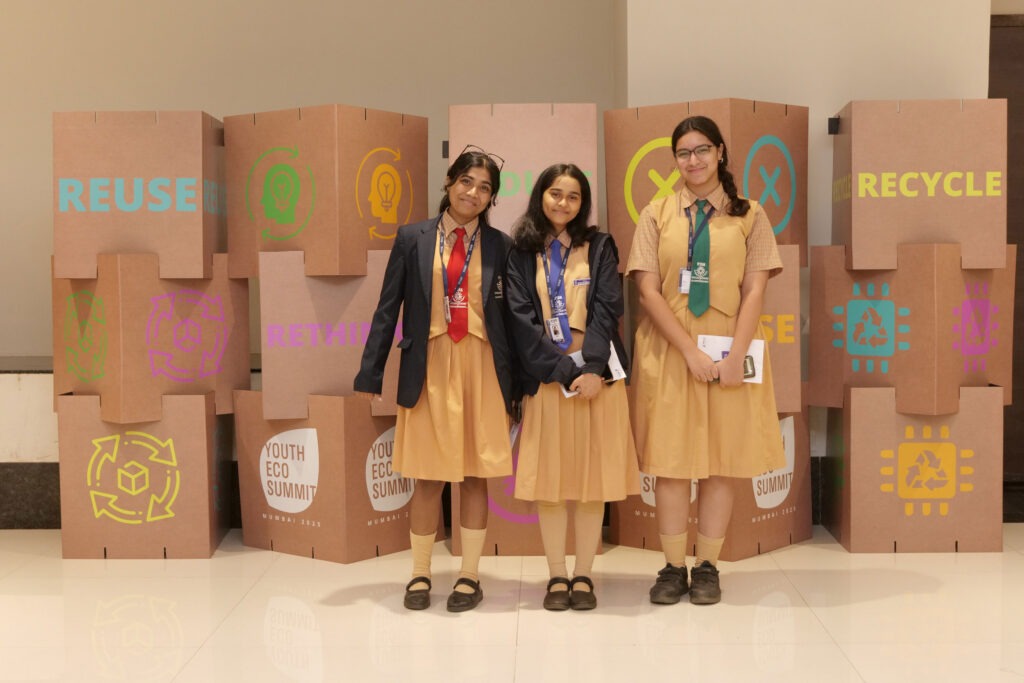
Writing
Look closely at a real family decision or the possibility of a community built around repair and sharing.
Classes 11–12 · Solo or up to 3 students
Classes 11–12 · Individual or a group of up to 3 students
Languages: English or Hindi.
Length: 1000–1500 words.
No entry-count limit is specified in the guidelines.
Classes 11–12
Study one real decision your family made about keeping, repairing or discarding an object. Compare attitudes across generations and reflect on consumption, attachment and waste.
Analyse whether a neighbourhood built around repair, reuse and sharing could work. Compare older practices with today’s consumption and assess the social, economic and logistical challenges.
| Criterion | Marks |
|---|---|
| Understanding of the problem | 25 |
| Creativity and usefulness of solutions | 20 |
| Personal opinion, suggestions and innovative ideas | 20 |
| Relevant examples, statistics and accurate research | 20 |
| Overall impression and unique insights | 15 |
| Delay in submission | -5 |
| AI-generated submission content | -15 |
AI-generated submission content receives a 15-point deduction, as confirmed on 6 October 2026. AI research or reference is permitted; sources must be credited.
Selection, publication and showcase opportunities are subject to the arrangements described in the guidelines.
Film & storytelling
Use documentary, animation or fiction to make an environmental story worth watching.
Classes 7–8 and 11–12 · Solo or up to 3 students
Classes 7–8 and 11–12 · Individual or a group of up to 3 students
Languages: English or Hindi.
No entry-count limit is specified in the guidelines.
Classes 7–8
Give waste from your neighbourhood a voice and personality. Use humour, drama, animation or mockumentary to reveal something surprising about daily habits.
Every scrap of waste disappears overnight. Film the ripple effects to explore how deeply waste is embedded in our routines.
Classes 11–12
A household bin refuses more waste until a family changes its habits. Build a serious or comic narrative around the bin’s strike and the choices people make without thinking.
Choose a technology and a climate challenge—such as AI and energy, smartphones and e-waste, or renewable technology and changing weather—and explore their connection through a character or moment.
| Criterion | Marks |
|---|---|
| Understanding the problem and messaging | 25 |
| Clarity, relevance and inspiration | 30 |
| Narrative, script and creative storytelling | 20 |
| Research, interviews, statistics and factual data | 15 |
| Production quality with available equipment | 10 |
| Delay in submission | -5 |
| AI-generated submission content | -15 |
AI-generated submission content receives a 15-point deduction, as confirmed on 6 October 2026. AI research or reference is permitted; sources must be credited.
Selection, publication and showcase opportunities are subject to the arrangements described in the guidelines.
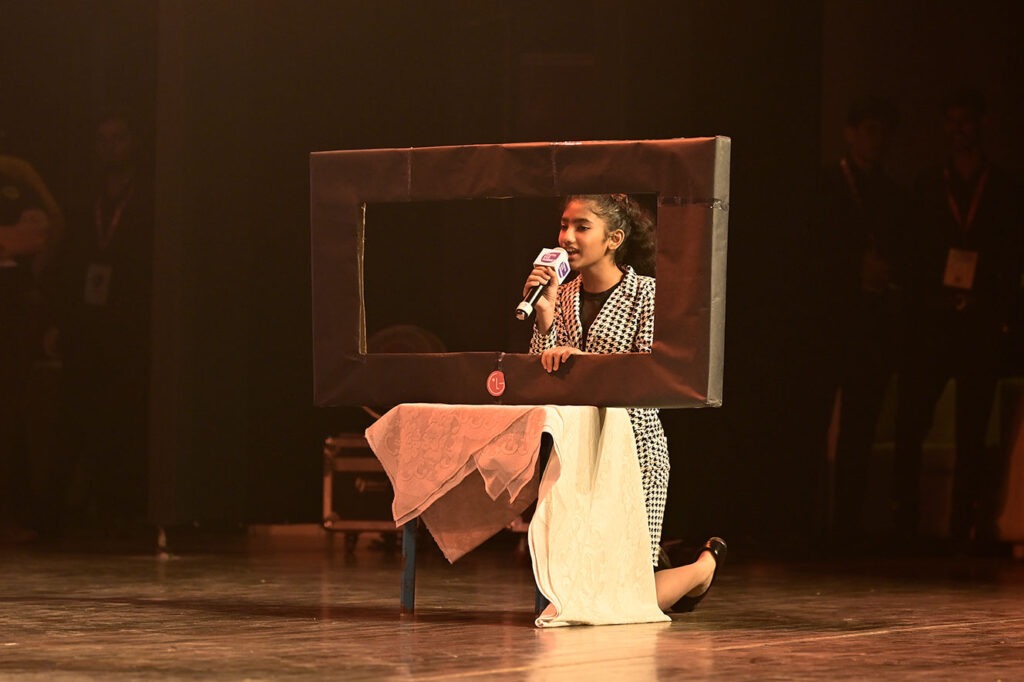
Voice & performance
Give your ideas a voice in a two-minute performance rooted in what matters to you.
Classes 5–12 · Solo or up to 2 students
Classes 5–12 · Individual or a group of up to 2 students
Languages: English or Hindi.
No entry-count limit is specified in the guidelines.
Classes 5–6
What would your neighbourhood look like if nobody threw anything away for a whole day? Describe the sights, sounds and small inconveniences to reveal how waste shapes our world.
Choose something you use every day. Explain how its materials, shape or afterlife could change and what that redesign says about the future you want.
Classes 7–8
Imagine a forest growing in a busy city. Use vivid imagery or real urban rewilding examples to explore how nature and human life might coexist.
Trace a package from convenience and consumption to disposal. Speak as a package, consumer or observer and explore the tension between what packaging promises and what it costs.
Classes 9–10
Share your own hopes, questions, fears or frustrations about the planet’s future and your role in it. Speak honestly rather than repeating familiar statistics.
Speak as someone discovering the climate cost of searches, scrolls and clicks. Make the environmental footprint of digital habits visible.
Classes 11–12
Imagine becoming India’s first Green President. Explain your first policies and the trade-offs you would face, grounded in real issues.
Speak as someone living in 2080, in a world shaped by today’s decisions. Paint a vivid future and trace it back to the choices being made now.
| Criterion | Marks |
|---|---|
| Understanding the issue | 25 |
| Clarity and structure | 20 |
| Passion, vision and originality | 20 |
| Engagement and personal experience | 20 |
| Fresh and motivating insight | 15 |
| Delay in submission | -5 |
| AI-generated submission content | -15 |
AI-generated submission content receives a 15-point deduction, as confirmed on 6 October 2026. AI research or reference is permitted; sources must be credited.
Selection, publication and showcase opportunities are subject to the arrangements described in the guidelines.
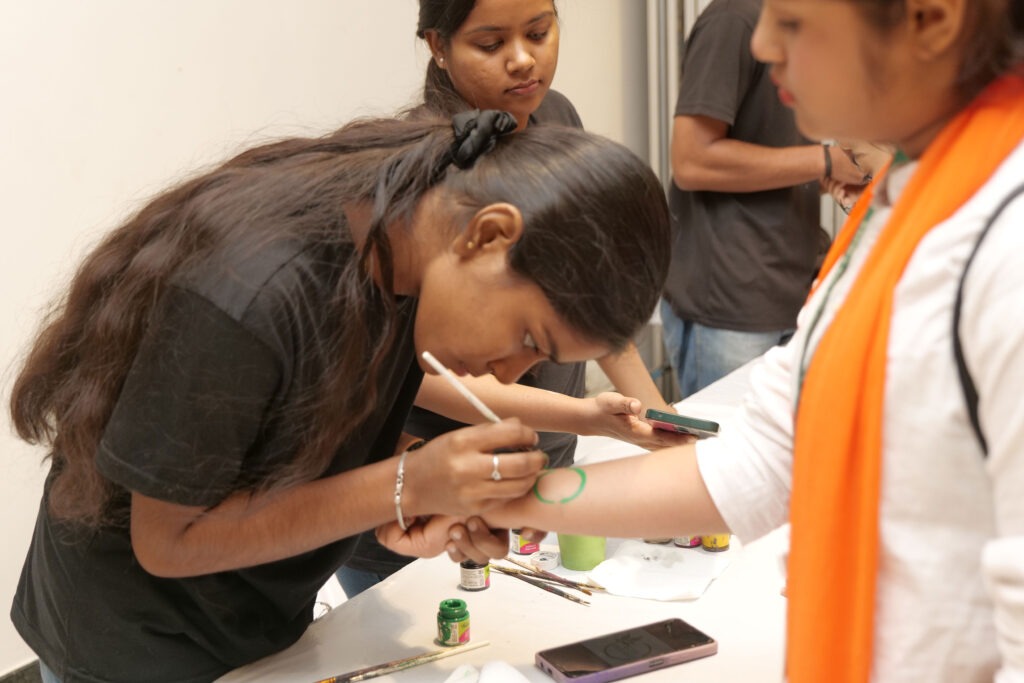
Art & expression
Use colour, composition and imagination to show the potential hidden in what we discard.
Classes 5–6 · Individual
Classes 5–6 · Individual participation
No entry-count limit is specified in the guidelines.
Classes 5–6
Show how the daily choice to separate materials creates a chain reaction that can reshape our world and put tomorrow within our creative control.
Challenge the idea that objects lose value when discarded. Discover unexpected patterns, hidden beauty or untold stories in the overlooked and broken, and express the feeling of transformation.
| Criterion | Marks |
|---|---|
| Originality and relevance to the theme | 20 |
| Creativity, innovation and uniqueness | 20 |
| Visual appeal and impact | 25 |
| Message, concept and proficiency in the medium | 25 |
| Delay in submission | -5 |
| AI-generated or copied submission content | -15 |
The published criteria total 90 marks; the final scoring total awaits confirmation.
AI-generated submission content receives a 15-point deduction, as confirmed on 6 October 2026. AI research or reference is permitted; sources must be credited.
The art rubric retains one 15-point row for AI-generated or copied content. The confirmed AI deduction does not add a second penalty; original-artwork requirements and the separate copied-work rules remain in place.
Selection, publication and showcase opportunities are subject to the arrangements described in the guidelines.
Art & expression
Turn an environmental question into an original digital image with a clear message.
Classes 7–10 · Individual
Classes 7–10 · Individual participation
No entry-count limit is specified in the guidelines.
Classes 7–8
Explore the environmental footprint of our celebrations. Interpret the tension between collective joy and ecological impact through an atmospheric piece, an eco-tradition or an abstract visual metaphor.
Classes 9–10
Visualise a bill for every resource you have wasted and your response. Explore ecological debt and responsibility through surrealism, portraits, symbolic landscapes or futuristic design, beyond a literal receipt.
| Criterion | Marks |
|---|---|
| Originality and relevance to the theme | 20 |
| Creativity, innovation and uniqueness | 20 |
| Visual appeal and impact | 25 |
| Message, concept and proficiency in the medium | 25 |
| Delay in submission | -5 |
| AI-generated or copied submission content | -15 |
The published criteria total 90 marks; the final scoring total awaits confirmation.
AI-generated submission content receives a 15-point deduction, as confirmed on 6 October 2026. AI research or reference is permitted; sources must be credited.
The art rubric retains one 15-point row for AI-generated or copied content. The confirmed AI deduction does not add a second penalty; original-artwork requirements and the separate copied-work rules remain in place.
Selection, publication and showcase opportunities are subject to the arrangements described in the guidelines.
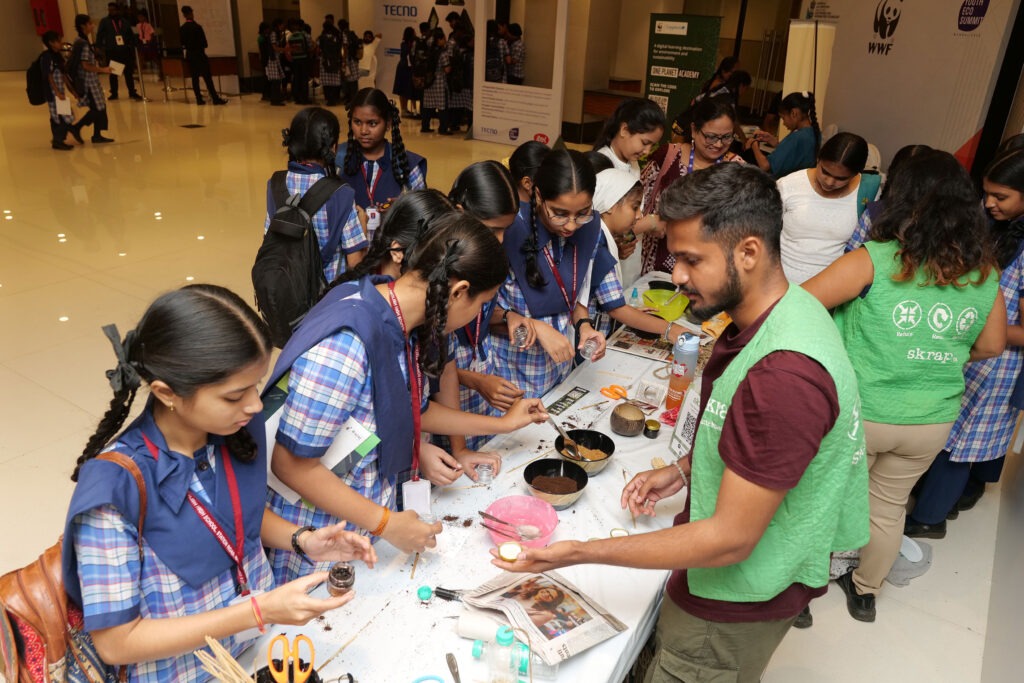
Craft & reuse
Repurpose discarded electronic components into an original model with purpose and imagination.
Classes 5–12 · Solo or up to 3 students
Classes 5–12 · Individual or a group of up to 3 students
No entry-count limit is specified in the guidelines.
Classes 5–6
Transform discarded electronics into a creative model. Possible starting points include Green Robot Warriors, Digital Earth, Eco-Bots Rise and The Sorting Station. Explain its purpose, materials, inspiration and environmental impact.
Classes 7–8
Transform discarded electronics into a creative model. Possible starting points include Green Robot Warriors, Digital Earth, Eco-Bots Rise and The Sorting Station. Explain its purpose, materials, inspiration and environmental impact.
Classes 9–10
Transform discarded electronics into a creative model. Possible starting points include Green Robot Warriors, Digital Earth, Eco-Bots Rise and The Sorting Station. Explain its purpose, materials, inspiration and environmental impact.
Classes 11–12
Transform discarded electronics into a creative model. Possible starting points include Green Robot Warriors, Digital Earth, Eco-Bots Rise and The Sorting Station. Explain its purpose, materials, inspiration and environmental impact.
| Criterion | Marks |
|---|---|
| Original thought and e-waste reuse | 25 |
| Effective and imaginative use of materials | 20 |
| Aesthetic appeal and artistic quality | 20 |
| Clear environmental message | 20 |
| Purpose or utility | 15 |
| Delay in submission | -5 |
| AI-generated submission content | -15 |
AI-generated submission content receives a 15-point deduction, as confirmed on 6 October 2026. AI research or reference is permitted; sources must be credited.
Selection, publication and showcase opportunities are subject to the arrangements described in the guidelines.
Eco-entrepreneurship
Pitch an original sustainability business idea with a plan, a purpose and a clear social impact.
Classes 7–12 · Solo or up to 3 students
Classes 7–12 · Individual or a group of up to 3 students
No entry-count limit is specified in the guidelines.
Classes 7–12
Propose a genuine environmental sustainability business. Waste segregation, e-waste recovery and circular-economy solutions are encouraged, but not required. Define the problem, business model and USP, innovation and action plan, funding needs, and social and environmental impact.
| Criterion | Marks |
|---|---|
| Understanding of the environmental problem | 20 |
| Business model, presentation and USP | 25 |
| Innovation and action plan | 25 |
| Financial projections and funding needs | 10 |
| Social and environmental impact | 20 |
| Delay in submission | -5 |
| AI-generated submission content | -15 |
AI-generated submission content receives a 15-point deduction, as confirmed on 6 October 2026. AI research or reference is permitted; sources must be credited.
Selection, publication and showcase opportunities are subject to the arrangements described in the guidelines.
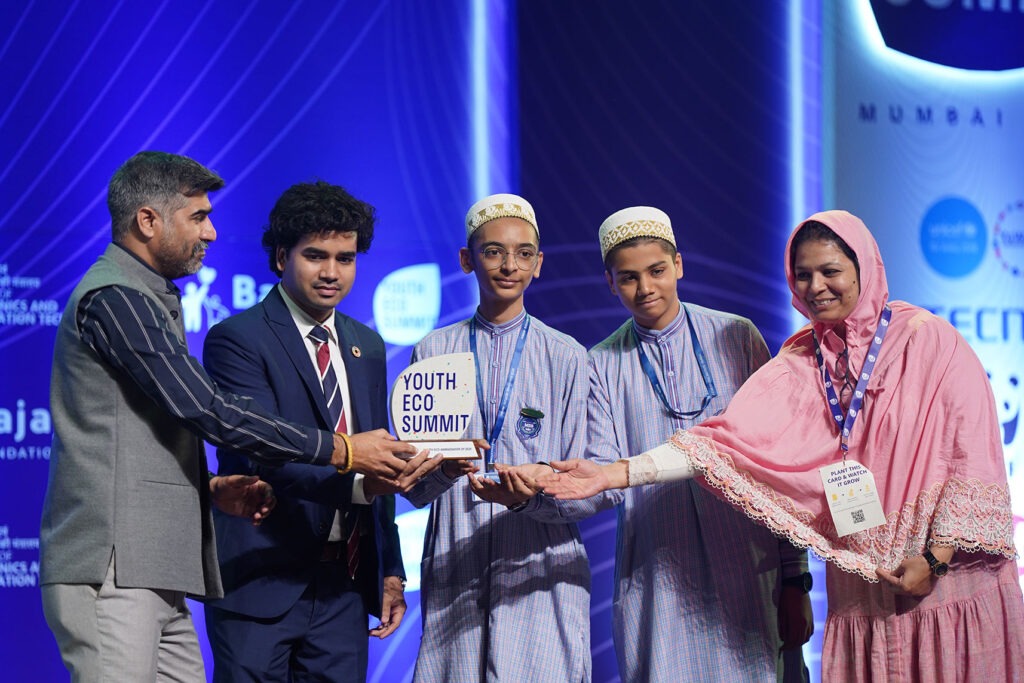 Recognition at a previous summit
Youth Eco Summit Awards
Ideas. Effort. Originality. Explore the published guidelines for each competition’s eligibility and recognition details.
Explore awards & recognitionYour next step
Find your school. Register. Choose your challenge.